Professional-grade 45-Mil and 60-Mil EPDM rubber liners, made in the USA, certified fish and wildlife safe, and backed by a 25-year to Limited Lifetime warranty — the liner landscape contractors and water garden specialists reach for first.
LifeGuard Pond Liner is Anjon Manufacturing's own EPDM rubber liner line, built specifically for koi ponds, water gardens, waterfalls and retention basins — not a general-purpose tarp repurposed for ponds. EPDM rubber contains no plasticizers, so it stays flexible through freeze-thaw cycles and years of direct sun exposure instead of turning brittle and cracking the way vinyl and lower-grade plastic liners eventually do. Every liner is certified fish and wildlife safe by Guardian Systems, Inc., and the lineup runs from a 45-Mil liner for most residential builds up to a 60-Mil option and UnderGuard underlayment combos for heavy-duty and commercial installations. Buy the liner with its matching underlayment and the warranty steps up from 25 years to a Limited Lifetime Warranty.
Built for the Job, Not Just the Listing
What sets LifeGuard EPDM apart from a generic pond tarp.
01
Made in the USA
Real EPDM rubber, manufactured domestically — not plastic imported and marketed as EPDM.
02
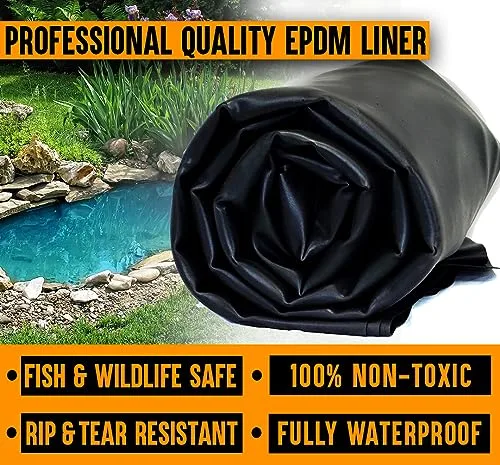
Certified Fish & Wildlife Safe
Certified by Guardian Systems, Inc. — safe for koi, turtles and aquatic plant life.
03
Won't Crack or Split
No plasticizers means the liner stays flexible year-round instead of turning brittle like vinyl.
04
25-Year to Lifetime Warranty
25 years on the liner alone, upgraded to a Limited Lifetime Warranty when paired with the UnderGuard underlayment.
05
Easy to Install and Shape
Lays flat and conforms to curves and planting shelves — doable solo, easier with two people.
06
Trusted by Professionals
Sold in hundreds of pond kits and installed in thousands of water features worldwide.
The LifeGuard EPDM Lineup
Four liner configurations covering everything from a first backyard water garden to a heavy-duty commercial build.
Most Popular
LifeGuard 45-Mil EPDM Pond Liner
The Standard Choice for Koi Ponds & Water Gardens
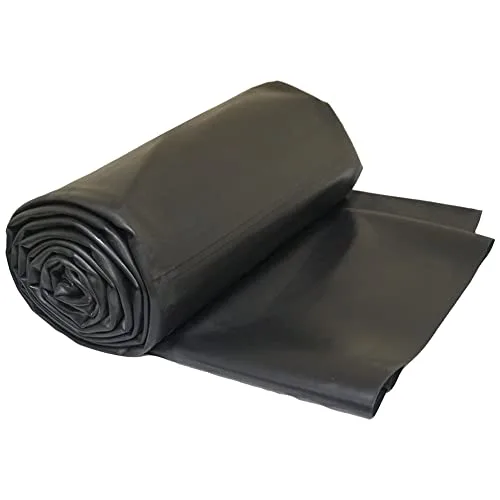
The foundation of the LifeGuard lineup: a 45-mil EPDM rubber liner built for koi ponds, water gardens, waterfalls and retention basins. Unlike vinyl or plastic liners, EPDM rubber contains no plasticizers, so it stays flexible instead of turning brittle and cracking over the years, and it can be left directly exposed to sunlight without a cover. It folds easily into corners and around planting shelves, attaches cleanly to skimmers and filters, and accepts pipe penetrations without leaking. Backed by a 25-year manufacturer's warranty and sold in sizes from 5×5 ft. boxed liners up to 50×200 ft. rolls.
The same EPDM rubber formula as the 45-mil liner, in a thicker 60-mil sheet for jobs that need extra margin: large boulders resting directly on the liner, heavy wildlife traffic, or bigger commercial-scale water features. It carries the same 25-year warranty, the same puncture and UV resistance, and the same fish-and-wildlife safety certification — just more material underfoot for professional installers who want the extra buffer.
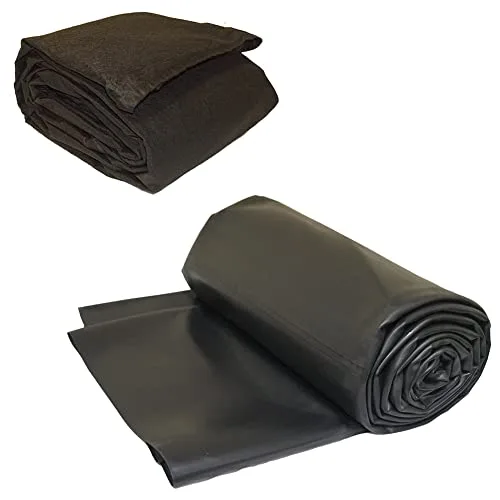
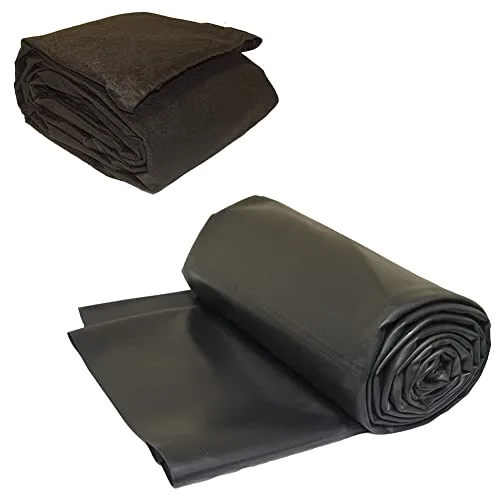
Pairs the 45-mil EPDM liner with LifeGuard's own UnderGuard geotextile underlayment — a padding layer that goes down first to protect the rubber from sharp rocks, roots and gravel in the excavation. Buying the two together upgrades the warranty from 25 years to a Limited Lifetime Warranty, and it's the combination Anjon Manufacturing itself recommends for most residential and landscape builds.
Maximum Thickness and Puncture Protection Together
The heavy-duty 60-mil liner paired with the UnderGuard geotextile underlayment — extra liner thickness on top of an extra protective base layer, for builds where both matter most: large boulder placements, high-traffic wildlife ponds, or long-term commercial installations. Backed by the same Limited Lifetime Warranty as the 45-mil combo.
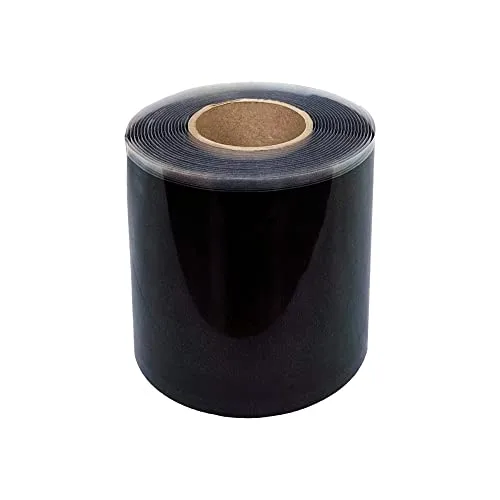
Double-stick EPDM seam tape joins two liner sheets into one continuous piece for ponds too large for a single roll, while single-stick flashing tape seals around pipe penetrations, skimmers and waterfall filters. Both are butyl-based, watertight once applied, and hold up in the same freeze-thaw and UV conditions the liner itself is built for — the same repair system installers use to patch a puncture years after the original install.
Real installation photos and the manufacturer's own material comparison.
Fish & Wildlife Safe, 100% Non-Toxic
LifeGuard 45-Mil EPDM is certified fish and wildlife safe by Guardian Systems, Inc. It contains no plasticizers, so it won't leach chemicals into the water or turn brittle and crack the way lower-grade vinyl liners eventually do.
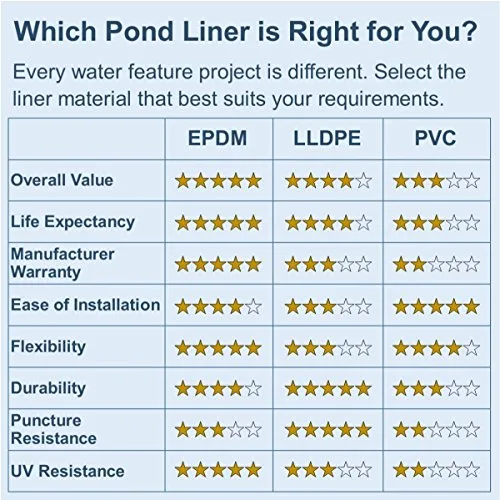
Why EPDM Beats LLDPE and PVC
Anjon Manufacturing's own liner-material comparison rates EPDM highest on life expectancy, manufacturer warranty, flexibility and UV resistance against the two other common pond-liner materials — the main tradeoff is a slightly lower puncture-resistance score than LLDPE, which the UnderGuard underlayment is built to offset.
A Two-Person Job, But Not a Two-Day One
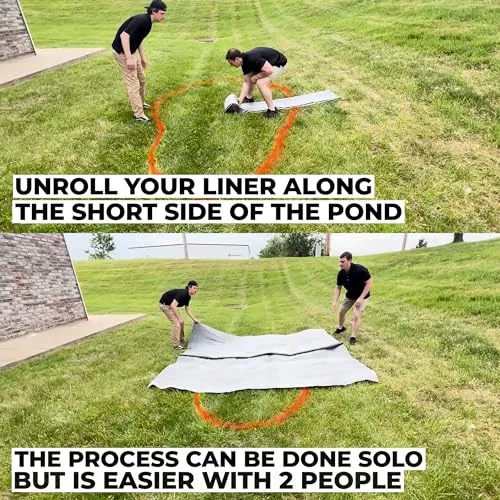
The manufacturer's own instructions are simple: unroll the liner along the short side of the pond first. It can be done solo, but having a second person keeps the sheet from dragging or catching on the excavation edges as it unfolds.
Edge It, Weight It, and It Disappears
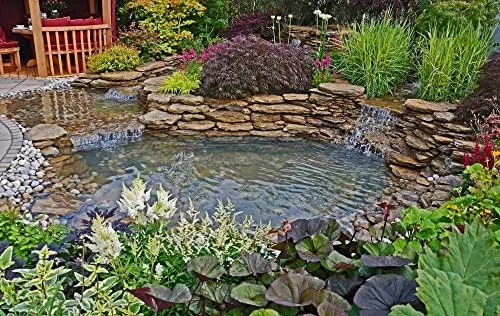
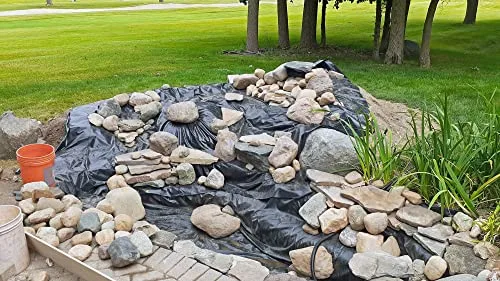
Once the liner is settled into the hole and trimmed, rocks, gravel and planting shelves hide the edges completely — the flexible EPDM sheet folds into corners and curves instead of holding a rigid shape that fights the design of the pond.
How to Install a LifeGuard EPDM Liner
The manufacturer's own recommended process, in order.
Measure Your Pond
Use the formula: liner length = pond length + (2 × depth) + 2 ft., and liner width = pond width + (2 × depth) + 2 ft. The extra 2 ft. on each side gives enough overlap to anchor the edges under rocks or soil.
Dig and Clear the Excavation
Shape the pond and clear sharp rocks or roots from the hole — anything left underneath can work through an unprotected liner over time.
Lay the Underlayment First (Combo Kits)
If using the 45-Mil or 60-Mil Combo, roll out the UnderGuard geotextile underlayment first as a protective base layer between the soil and the liner.
Unroll the Liner Along the Short Side
This is the manufacturer's own recommended approach. It can be done solo, but a second person keeps the sheet from dragging or catching on the excavation edges as it unfolds.
Settle It Into the Hole
Push the liner down into the excavation, letting it fold naturally into corners, curves and planting shelves — EPDM's flexibility means it conforms without heavy pleating.
Fill With Water Before Final Trimming
The weight of the water helps the liner settle into its final shape before you trim the excess at the edges, so trim last rather than first.
Edge and Weight the Border
Arrange rocks, gravel or soil over the trimmed liner edge to hold it in place and hide it from view.
Care & Repair
Keep sharp rocks or roots from resting directly against an unprotected liner — use the UnderGuard underlayment or extra liner scrap as padding underneath.
To join two sheets or patch a puncture, clean and prime the rubber surface first, then apply LifeGuard's EPDM seam tape for a watertight bond.
Direct sun exposure is fine for EPDM and won't shorten its lifespan — unlike lower-grade plastic liners that need to stay covered.
What LifeGuard Customers Are Saying
From the 45-Mil EPDM flagship's 680 verified ratings.
Customers find the pond liner to be of good quality, durable, and easy to work with — one customer noted they could walk on it with boots without tearing it. The product functions well and customers consider it worth the price. Feedback is mixed on liner weight, with several customers describing it as heavier than expected, and on leak-proofing, where opinions differ.
Quality (84)Durability (50)Functionality (34)Value for Money (28)Ease of Use (15)Flexibility (10)Weight (22)Leakage (11)
AI-generated summary from the text of customer reviews on Amazon, shown here as provided — individual review text is sign-in-gated on Amazon's own listing.
Frequently Asked Questions
Both are the same EPDM rubber formula, same warranty length, same puncture and UV resistance — the 60-mil is simply a thicker, heavier sheet (0.40 lbs/sq ft vs 0.30 lbs/sq ft) for builds with large boulders, heavy wildlife traffic, or bigger commercial installations. Most residential koi ponds and water gardens do fine with the 45-mil.
The liner alone works and still carries a 25-year warranty. Anjon Manufacturing's own recommendation, though, is to pair it with the UnderGuard geotextile underlayment as a protective base layer against sharp rocks and roots — doing so upgrades the warranty to a Limited Lifetime Warranty.
Yes — it's certified fish and wildlife safe by Guardian Systems, Inc. The EPDM rubber contains no plasticizers, the ingredient in lower-grade vinyl liners that can leach into the water over time.
The sizing formula the manufacturer publishes is: liner length = pond length + (2 × pond depth) + 2 ft., and liner width = pond width + (2 × pond depth) + 2 ft. The extra 2 ft. on each dimension gives enough overlap at the edges to anchor the liner under rocks or soil.
It's designed for DIY installation. The manufacturer's own instructions call for unrolling the liner along the short side of the pond — it can be done solo, but a second person makes it easier to keep the sheet from catching on the excavation edges as it unfolds.
No — that's the main reason EPDM is used over cheaper plastic liners. It contains no plasticizers, the compound that causes vinyl and lower-grade liners to stiffen, crack and split as they age.
No. LifeGuard EPDM can be left directly exposed to sun and is rated to last 25 years that way. A liner that requires covering to reach its expected lifespan is a sign it isn't genuine EPDM rubber.
LifeGuard's double-stick EPDM seam tape joins two sheets into one continuous liner for ponds larger than a single roll, and the same tape system patches a puncture or tear. Both the liner surface and the tape need to be clean and primed before the tape is applied for a watertight bond.
Per the manufacturer's own material comparison, EPDM rates highest on life expectancy, warranty length, flexibility and UV resistance of the three. LLDPE scores slightly higher on puncture resistance alone, which is exactly what the UnderGuard underlayment is designed to make up for when paired with an EPDM liner.
The flashing tape is a single-stick butyl EPDM roll used to seal around pipe penetrations, skimmers and waterfall filters. The seam tape is double-stick, used to bond two liner sheets into one continuous piece. Both require the EPDM primer/activator to clean and prep the rubber surface before applying.